Understanding AI Wearables: The Basics of Technology
In today’s fast-paced world, the adoption of technology in daily life has transcended traditional boundaries, leading to the emergence of innovative solutions that enhance productivity and efficiency. Among these, AI wearables have carved out a unique niche, integrating artificial intelligence with convenient, portable devices to improve various aspects of professional and personal life. But what exactly are AI wearables, and how can they benefit users in their day-to-day activities? This article delves into the realm of AI wearables, exploring their types, functionality, and impact on productivity.
What are AI Wearables?
AI wearables are a category of devices that integrate artificial intelligence, enabling them to perform tasks that expand beyond mere functionality. These gadgets often include smartwatches, health monitors, fitness trackers, smart glasses, and even clothing embedded with sensors. The core advantage of AI wearables lies in their ability to learn from user interactions, habits, and preferences, thereby adapting to provide personalized solutions.
Types of AI Wearables for Professionals
As the landscape of technology continues to evolve, professionals have a range of AI wearable options to enhance their productivity:
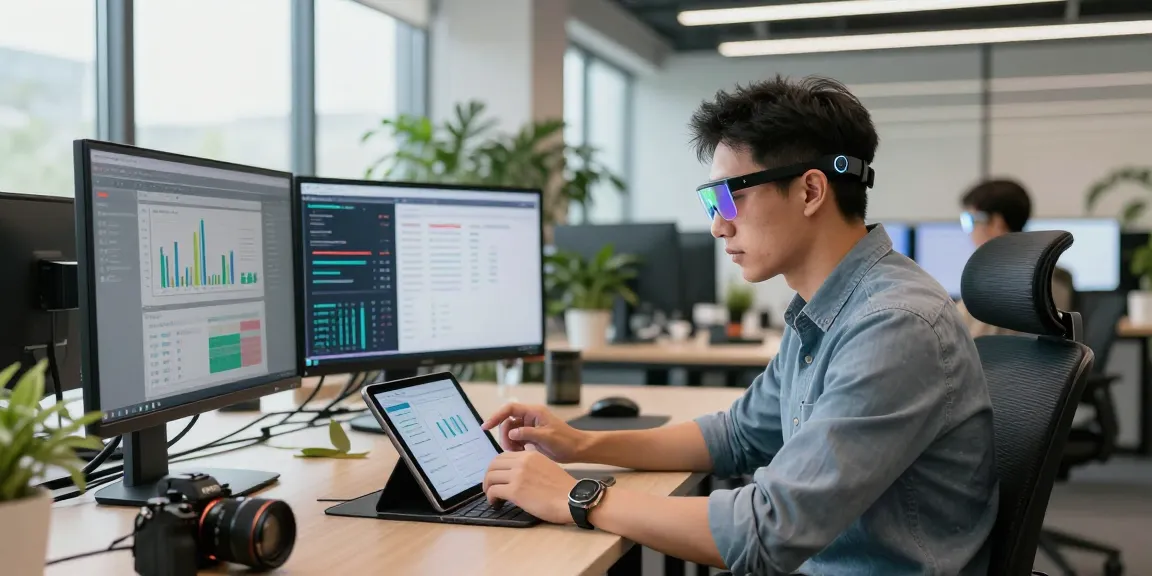
- Smart Glasses: These offer hands-free access to information and real-time data display, revolutionizing how professionals interact with their environment.
- Fitness and Health Trackers: Devices that monitor biostatistics, promoting wellness and making health management more proactive.
- Wearable Voice Recorders: Ideal for professionals in meetings, these devices capture audio and translate it into actionable data.
How AI Wearables Enhance Productivity
AI wearables significantly enhance productivity by streamlining communication, providing feedback, and offering insights into performance. For instance, smartwatches can display notifications and allow quick responses to messages, reducing the time spent checking phones. Fitness wearables help manage health, which in turn increases focus and efficiency during work hours.
Top AI Wearables for 2026: Essential Tools
Smart Glasses: A Game Changer in Workflows
Smart glasses are poised to transform workflows in various industries. By providing augmented reality (AR) overlays, they allow professionals to access real-time data while keeping their hands free. For example, in manufacturing, workers can see assembly instructions projected directly into their line of sight, which minimizes errors and enhances efficiency.
AI-Enabled Fitness Trackers for Health Monitoring
A robust health monitoring system is crucial in the workplace to ensure productivity remains high. AI-enabled fitness trackers not only monitor steps and heart rate but also analyze sleep quality, stress levels, and overall health trends. By addressing wellness proactively, companies can foster healthier workforces.
Wearable Voice Recorders for Meetings
Wearable voice recorders have become indispensable in the professional toolkit. Equipped with AI, these devices can transcribe conversations in real-time and summarize key points, ensuring that no important detail is lost. This capability is especially beneficial during business meetings, conferences, and academic settings, where multitasking is often essential.
Integration of AI Wearables in Professional Settings
Streamlining Communication with Smart Devices
The integration of AI wearables into professional settings offers significant advantages for communication. Devices like smartwatches and augmented reality glasses provide instant access to messages and alerts, allowing professionals to stay connected without distraction. This is especially beneficial for roles that require constant attention and swift decision-making.
Data Analytics and Performance Tracking
AI wearables collect various metrics that can be analyzed to enhance performance. By utilizing data analytics, professionals can identify patterns in their productivity, health, and work habits, enabling informed decisions that lead to improved efficiency. This approach is becoming essential in high-stakes industries like finance, healthcare, and logistics.
Overcoming Common Challenges with AI Technology
Despite the advantages of AI wearables, challenges do exist. These include privacy concerns regarding data collection, the potential for technology overload, and the need for ongoing training to effectively use advanced features. Addressing these challenges involves balancing technological benefits with user comfort and regulatory considerations.
Future Trends in AI Wearables: What to Expect
Emerging Technologies and Innovations
As AI technology continues to advance, the future of wearables looks promising. Innovations such as enhanced biometric sensors, improved battery life, and integration with other smart devices will likely redefine how wearables are used in both personal and professional contexts. Rising trends include AI-driven health analytics and real-time language translation features.
Potential Challenges and Ethical Considerations
With the increasing integration of AI wearables comes the need for ethical considerations, especially concerning data usage and user privacy. Transparent policies and user consent are paramount to ensure trust in wearable technologies.
Predictions for AI Wearables in the Workplace
Looking ahead, AI wearables are set to become standard tools in various organizations. Enhanced functionality, coupled with continuous advancements in AI, will empower professionals to exceed traditional limits in productivity and health management. We can expect increased collaboration between AI vendors and industries to create tailored wearable solutions.
Conclusion: The Impact of AI Wearables on Professional Life
Enhancing Workflow and Productivity
AI wearables have the potential to revolutionize professional life by enhancing workflows and boosting productivity. By adopting these technologies, organizations can foster a culture of innovation and responsiveness.
The Future Landscape of Work with AI
As AI wearables evolve, they will shape not just individual productivity but the entire landscape of workplace interactions. Organizations that embrace these tools will likely lead the way in efficiency and employee satisfaction.
FAQs on AI Wearables and Their Use
What are AI wearables?
AI wearables are devices that leverage artificial intelligence to provide users with personalized insights and performance tracking, improving productivity and health management.
How do AI wearables enhance productivity?
They streamline communication, offer real-time data access, and provide health monitoring, which contributes to overall workplace efficiency.
What types of AI wearables are available?
Common types include smart glasses, fitness trackers, and wearable voice recorders that cater to professional needs.