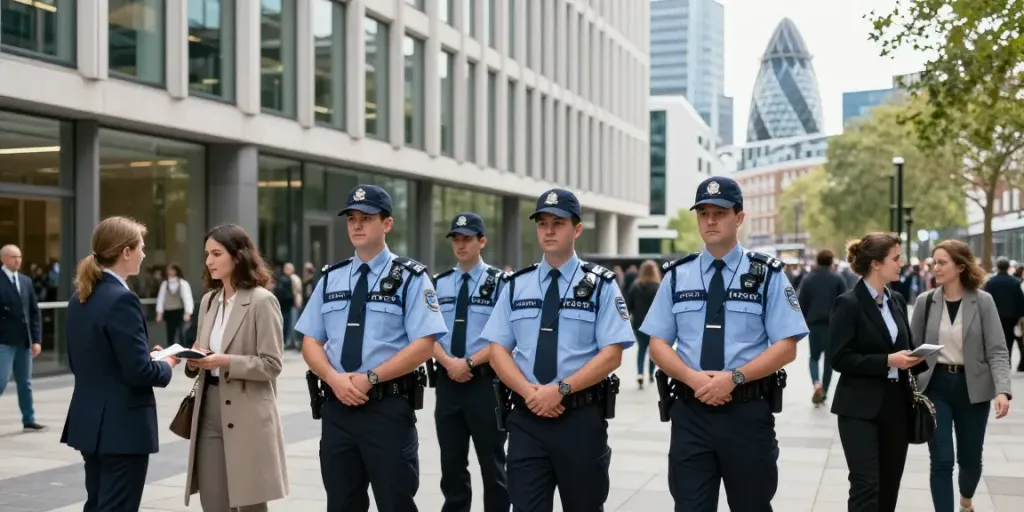
Understanding the Importance of Security in London
Security is a critical aspect for businesses operating in London’s bustling environment. With a diverse population and a vibrant city life, the need for effective security measures cannot be overstated. Companies, whether large or small, face unique challenges that necessitate a dedicated approach to security. This includes safeguarding assets, ensuring the well-being of employees, and maintaining a trustworthy reputation. When exploring options, Security provides comprehensive insights into the services available to manage risks effectively. Understanding these aspects enhances confidence among clients and protects valuable business interests.
Why Security is Essential for Businesses
Every business, regardless of size or industry, requires robust security to defend against potential threats. The risks in urban settings like London can range from petty theft to more coordinated criminal activities. Without a solid security framework, businesses expose themselves to significant financial and reputational risks. A proactive security approach not only defends assets but also helps establish customer confidence, ultimately leading to sustained business growth.
How Security Builds Customer Trust
Customers are more likely to engage with businesses that prioritize their safety. Effective security measures instill a sense of trust in clients and patrons, which can enhance loyalty. Knowing that a company invests in protecting both its clients' safety and its premises fosters a positive brand perception. A reputation for being secure and reliable can be a decisive factor for customers when choosing between competitors.
Regulatory Compliance and Security Standards
In London, businesses must comply with various regulatory requirements that govern safety and security practices. These regulations often mandate specific standards related to security personnel training, licensing, and operational protocols. Adhering to such regulations not only promotes accountability but also aligns the business with best practices within the security industry. Non-compliance can lead to severe penalties and damaged reputations, making it vital for companies to remain informed about current requirements.
Choosing the Right Local Security Provider
Selecting a security provider in London involves a comprehensive assessment of numerous factors to ensure that the chosen company aligns well with your business needs.
Factors to Consider When Hiring a Security Company
- Experience and Reputation: It's crucial to evaluate a company’s background. Look for providers that have been in business for several years and enjoy positive reviews from clients.
- Accreditations: Verify that the security company is certified by recognized bodies, like the SIA (Security Industry Authority), which ensures adherence to professional standards.
- Customized Solutions: The best security providers adapt their services to fit the unique needs of different businesses, ensuring maximum potential in security solutions.
Questions to Ask Potential Security Providers
When evaluating potential security partners, consider asking the following questions:
- What types of security services do you offer?
- Can you provide references or case studies from similar businesses?
- How do you handle training and employee vetting?
- What is your response time to incidents?
- How is performance monitored and reported?
Reading Customer Reviews for Insight
Customer reviews serve as a valuable tool in assessing the effectiveness and reliability of security firms. Online platforms, including Google and Yelp, offer insights into client experiences and can help gauge the overall sentiment toward a company. Pay attention to consistent praise or complaints regarding service quality, responsiveness, and professionalism.
Cost Breakdown for Security Services in London
The cost of security services can vary significantly based on several factors, including the nature of the services required and the provider's reputation. Understanding these costs helps businesses budget appropriately for their security needs.
Average Pricing for Security Guard Services
On average, businesses in London can expect to pay between £12 and £20 per hour for basic security guard services. Prices can fluctuate based on location, service complexity, and demand. More specialized security needs, such as event security or executive protection, may incur higher rates, often ranging from £20 to £50 or more per hour.
Specialized Security Services and Their Costs
Businesses requiring specialized security solutions should factor in additional costs for premium services. For instance:
- Event Security: Typically charged per guard per hour, prices may range from £20 to £30 depending on the size and type of the event.
- Close Protection Services: Offering heightened personal security, rates for close protection officers may range from £30 to £100 per hour depending on the risk assessment.
- Surveillance Systems Setup: Installation and monitoring fees for CCTV systems can cost from £300 to over £1,000 based on equipment and complexity.
Understanding Pricing Models: Hourly vs Contract Rates
Security companies may operate on hourly or contract-based pricing models. Hourly rates are usually suitable for short-term or emergency needs, while contracts often provide better pricing for long-term engagements, typically covering a predetermined number of hours or shifts. Evaluating these models helps businesses determine what is economically viable based on their security requirements.
Licensing and Insurance Requirements in the Security Industry
Compliance with licensing and insurance regulations is non-negotiable for security firms in London. Ensuring that your provider meets these standards is crucial for the integrity of your security arrangements.
What Licenses Should a Security Company Hold?
In the UK, it is a legal requirement for security personnel to possess a valid SIA license. This ensures that security operatives are trained and vetted according to national standards. When selecting a provider, confirm that all staff assigned to your business are appropriately licensed and trained in their roles.
Importance of Insurance for Security Providers
Security companies must carry liability insurance, which protects both the firm and its clients in the event of an incident. This coverage typically secures businesses against claims resulting from negligence or errors that may occur while fulfilling their security duties. Before forging a partnership, request proof of insurance to ensure your potential provider carries adequate coverage.
How Licensing Affects Service Quality
Licensing not only assures compliance but also indicates the quality of service you can expect from a security company. Licensed companies are subject to regular inspections and audits, ensuring they maintain high service standards. Avoid firms without proper accreditation as they may not adhere to the necessary operational protocols that ensure effective security delivery.
Emergency Preparedness and Response Planning
Effective emergency preparedness is paramount for any security provider, ensuring swift action during incidents that jeopardize safety. Businesses should be aligned with providers that emphasize a comprehensive emergency response strategy.
Creating an Effective Emergency Action Plan
Every business should have a clearly defined emergency action plan that outlines procedures to follow during various scenarios, including natural disasters, security breaches, and medical emergencies. Key components of this plan should include identification of roles, evacuation routes, and communication channels to be utilized during crises.
Training Staff for Emergency Situations
Regular training sessions are essential for staff to feel confident and equipped to handle emergency situations. Security companies should provide training that covers evacuation procedures, first aid, and crisis management to ensure personnel respond effectively to emergencies.
Regular Security Drills and Updates
Conducting regular drills will help reinforce emergency procedures and ensure that all staff members are well-prepared for real-life incidents. These drills should be coupled with updates to the emergency action plan to reflect any changes in personnel, processes, or security needs.
Frequently Asked Questions
What is the role of a security company?
Security companies offer a range of services aimed at protecting businesses and individuals from potential threats. Their roles can include manned guarding, surveillance, event security, risk assessments, and emergency planning.
How much should I expect to pay for a security guard?
The expected hourly rate for a security guard typically ranges from £12 to £20, based on service type and location. Consider reaching out to various providers for precise quotes tailored to your specific needs.
What types of businesses need security services?
Nearly all businesses can benefit from security services—particularly retail stores, corporate offices, construction sites, and hospitality venues. For more information, Security offers valuable insights. Each industry requires tailored security solutions to address its unique challenges and risks.